July 22, 2026
Septic systems manage wastewater for homes without access to municipal sewer lines. When maintained properly, they operate efficiently while protecting property value and the environment. Without regular care, they can quickly cause costly damage and disruption. Routine maintenance, especially pumping, helps prevent unexpected failures. Septic upkeep is a long-term way to protect your investment.
Understanding the System
A septic system works by separating solids, liquids, and scum inside a contained underground tank before dispersing treated wastewater into a drain field. This natural process relies heavily on balance, allowing bacteria to break down organic matter over time. When functioning correctly, the system requires minimal attention beyond scheduled maintenance. A septic service is typically used to inspect and manage this balance, ensuring everything operates as intended. Without these professional checks, buildup can quietly reduce efficiency.
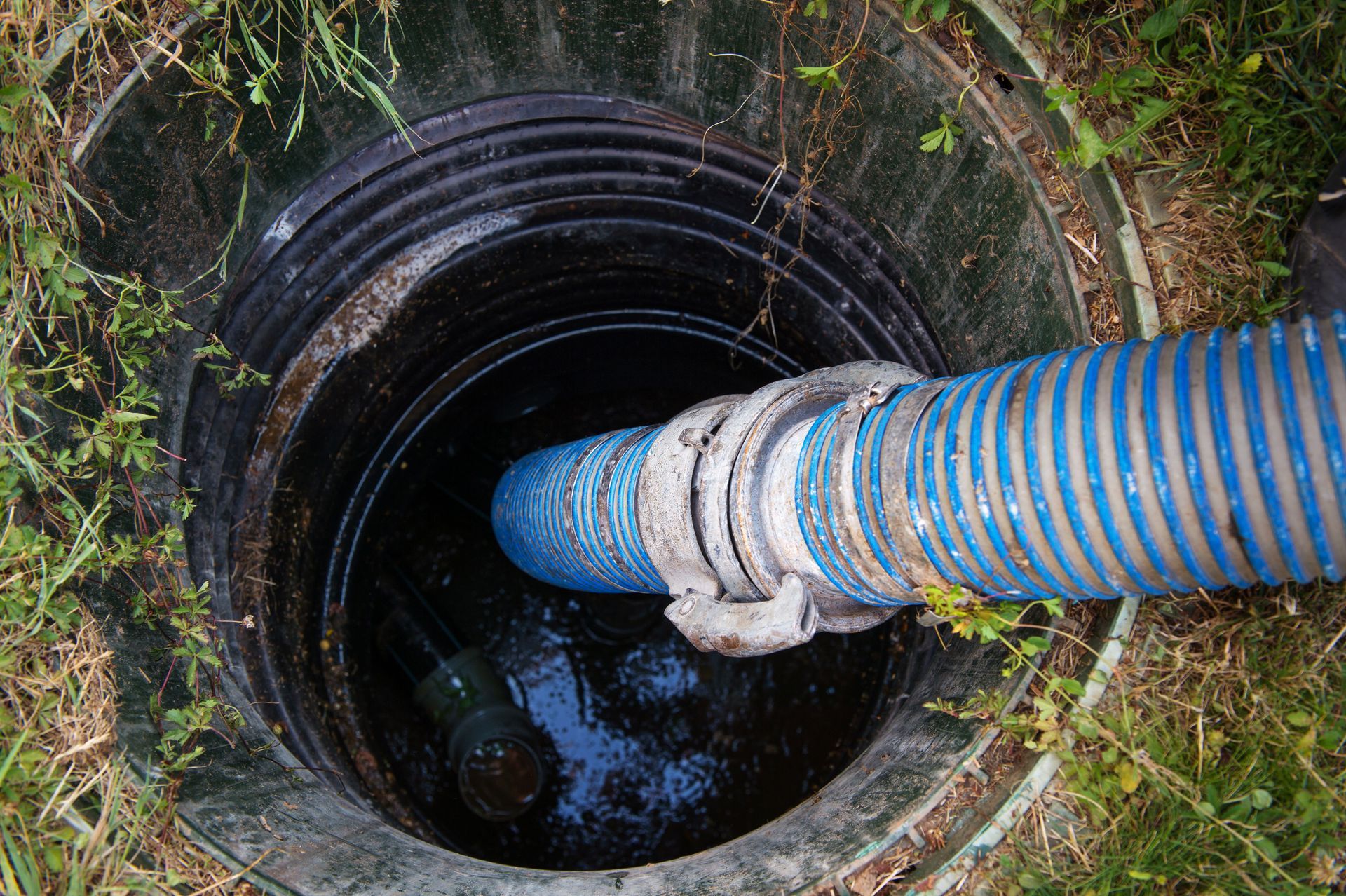
Inside the tank, solids settle at the bottom while lighter materials float to the top, forming distinct layers. The middle layer, which is partially treated liquid, flows out to the drain field for further filtration. Over time, however, solid waste accumulates faster than it breaks down naturally. This is where septic services become essential, as pumping removes excess buildup before it disrupts system performance. Consistent maintenance prevents overload and supports long-term system stability.
Recognizing Warning Signs
One of the earliest indicators of trouble is slow drainage throughout the home. Sinks, tubs, and toilets may begin to respond sluggishly, signaling that the tank is nearing capacity. Many homeowners overlook these early warnings until more serious issues appear. Septic services can identify these signs early and prevent escalation. Acting quickly reduces the risk of system-wide failure.
Unpleasant odors around drains or outdoor areas are another common warning sign. These smells often indicate that waste is not being properly contained or processed. At this stage, septic services are typically required to restore proper function. Ignoring odors can lead to more severe environmental exposure and costly cleanup. Regular inspections help catch these issues before they spread.
Standing water or unusually green patches in the yard can also indicate leakage into the drain field. This often means the system is overloaded and pushing untreated wastewater into surrounding soil. These services are critical in diagnosing whether pumping or repairs are needed. Addressing these symptoms early helps protect both the property and surrounding environment. Delays often result in more extensive repairs.
Frequent plumbing backups are another clear sign of system strain. Waste has nowhere to go, causing blockages that affect the entire household plumbing network. Professional services are necessary to restore flow and prevent recurring issues. Without intervention, backups may become more frequent and severe. This creates unnecessary stress and expense for homeowners.
Improving Property Protection Through Pumping
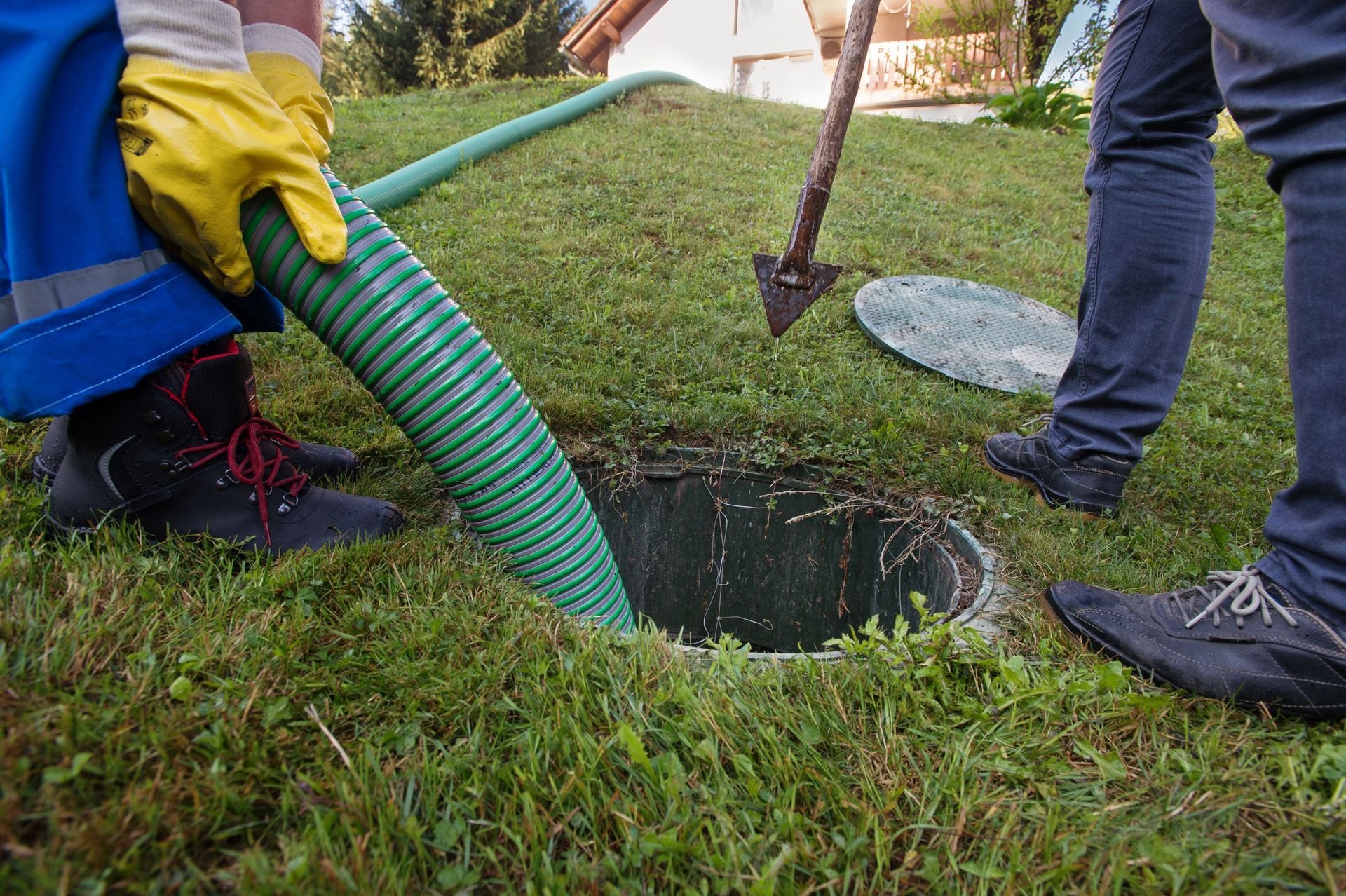
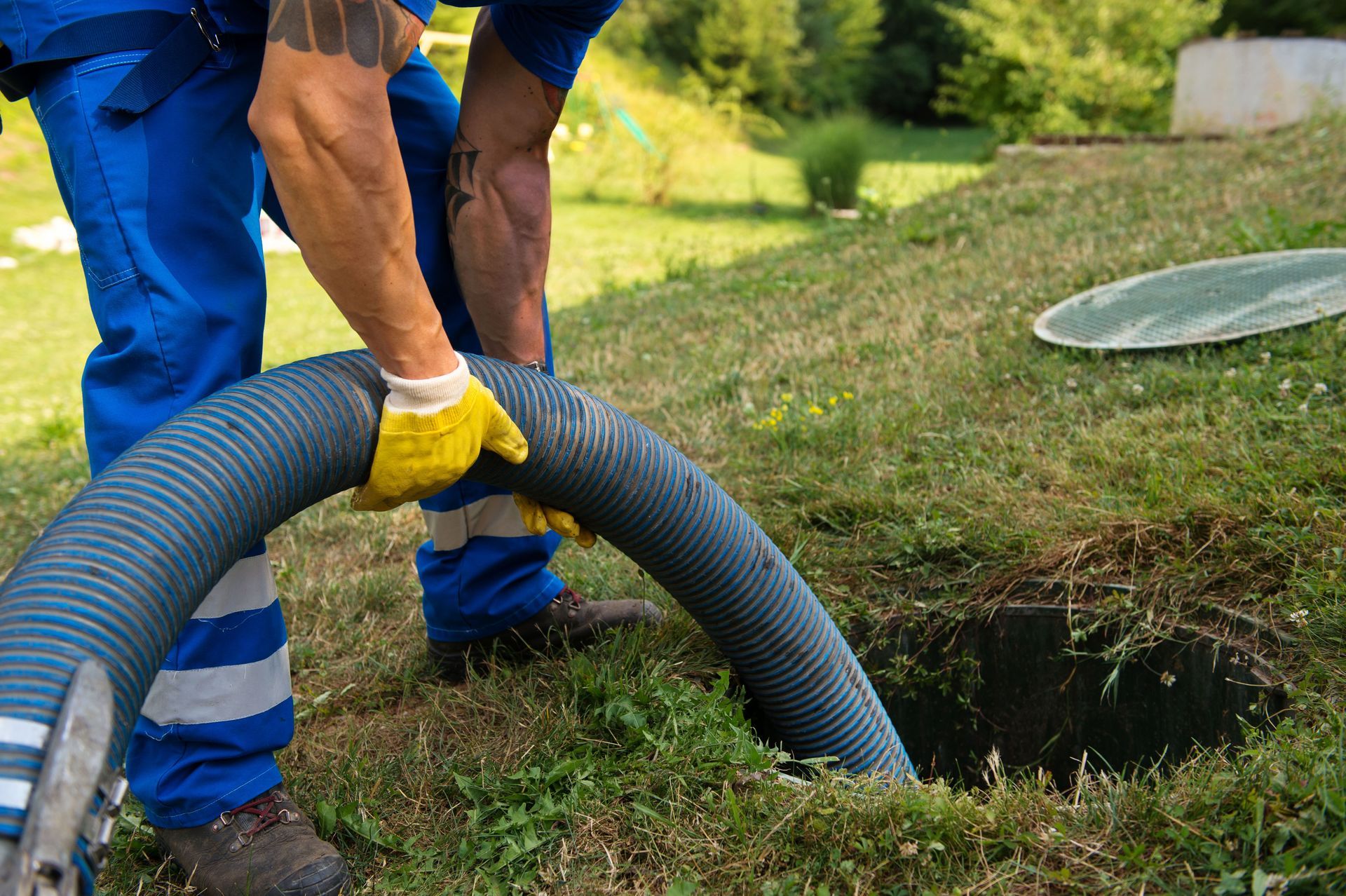
Routine pumping is one of the most effective ways to protect a property from long-term septic damage. It removes accumulated solids that cannot be broken down naturally, restoring proper system balance. Septic services ensure this process is done safely and thoroughly. When pumping is performed on schedule, the system operates more efficiently and reliably. This reduces the likelihood of emergency failures.
Neglecting pumping allows sludge to build up and interfere with system performance. Over time, this can lead to drain field failure and contamination risks. These services help prevent these outcomes by maintaining consistent system health. Property owners who stay proactive often avoid expensive structural repairs. Prevention is significantly more cost-effective than restoration.
Proper pumping also protects landscaping and surrounding soil from contamination. When systems overflow, untreated waste can surface in yards or seep into groundwater. These services mitigate these risks by removing excess buildup before overflow occurs. This helps maintain both property appearance and safety. A well-maintained system supports a cleaner outdoor environment.
Enhancing System Longevity With Maintenance
Regular maintenance significantly extends the lifespan of a septic system. Each component, from the tank to the drain field, performs better when not overloaded with waste. These services play a key role in ensuring all parts remain functional and efficient. Over time, this reduces wear and delays the need for costly replacements. Consistency is the foundation of system longevity.
When systems are neglected, internal components deteriorate faster due to constant pressure and buildup. This can lead to cracks, blockages, or complete system failure. Septic services help identify early signs of wear before they become major issues. Preventive maintenance ensures smoother operation year after year. Homeowners benefit from fewer disruptions and lower repair costs.
Routine care also improves microbial balance inside the tank. These natural organisms are essential for breaking down waste effectively. These services help maintain the right conditions for microbial activity to thrive. Without this balance, decomposition slows and buildup increases. Proper maintenance supports a healthier internal environment.
Reducing Environmental Risks Through Servicing
Environmental protection is a major benefit of consistent septic maintenance. When systems fail, untreated wastewater can contaminate soil and water sources. Septic services reduce this risk by ensuring systems remain sealed and functional. This protects both private wells and surrounding ecosystems. Responsible maintenance contributes to community health.
According to FloridaDep.gov, roughly 21 million households in the United States rely on individual septic systems, highlighting the importance of proper oversight and care. This widespread use means that even small maintenance failures can have large-scale environmental effects. These services help minimize these risks through routine monitoring and pumping. Proper management ensures waste is processed safely and effectively. This supports long-term environmental sustainability.
Pollution prevention is another key benefit of regular servicing. Overflowing systems can release harmful bacteria into nearby areas. These services help prevent these incidents by maintaining controlled waste levels. This reduces contamination risks for both humans and wildlife. Clean systems contribute to healthier local environments.
Supporting Property Value And Buyer Confidence
A well-maintained septic system can positively influence property value. Buyers often view documented maintenance as a sign of responsible ownership. These services provide the records and proof needed to support this confidence. Homes with properly maintained systems tend to sell more easily. This adds long-term financial value to the property.
Lack of maintenance history, on the other hand, can raise concerns during inspections. Potential buyers may worry about hidden repair costs or system failure. Septic services help eliminate these concerns by ensuring systems remain in good condition. Transparency in maintenance builds trust during transactions. This can improve negotiation outcomes.
Regular servicing also enhances overall curb appeal. Functional systems prevent odors, leaks, and visible yard damage. These services ensure the property remains clean and presentable. This contributes to stronger first impressions for potential buyers. Presentation plays a major role in real estate decisions.
Preventing Costly Repairs Through Pumping
Preventive maintenance is far more affordable than emergency repairs. Routine pumping helps avoid sudden system failures that require extensive excavation or replacement. These services provide scheduled maintenance that reduces financial risk. This proactive approach helps homeowners manage long-term expenses more effectively. Prevention protects both property and budget.
Emergency repairs often occur when systems are ignored for too long. These situations can involve damaged drain fields or full system replacement. These services significantly reduce the likelihood of reaching this stage. Consistent care keeps systems functioning within safe limits. This minimizes unexpected financial strain.
Regular pumping also reduces strain on household plumbing systems. When septic tanks are full, pressure increases throughout the home’s drainage network. These services help maintain proper flow and reduce stress on pipes. This prevents secondary plumbing issues from developing. Overall system health depends on routine care.
Septic tank pumping remains one of the most important steps in protecting property value, environmental safety, and long-term system performance. When combined with professional oversight, it creates a reliable foundation for efficient wastewater management. Homeowners who prioritize maintenance reduce risks, avoid costly repairs, and extend system lifespan significantly. Septic services play a central role in ensuring these outcomes are achieved consistently. For dependable care and long-term protection, contact Two Chicks Septic.